


Acne Scar Removal? The best treatment options?
Pimples especially if they occur early in life can leave behind a lot more pits/scars than usual. Adult acne is no good , it’s usually cystic leaving behind deeper scars. If this is affecting your self-confidence you should not think twice before approaching our Outpatient to get it corrected.
In case you are a student or a working professional, who has to be out there meeting people, attending classes or meetings, then we have to be careful while planning your treatment options. There are various treatment options and some of them can be associated with some downtime like redness, crusting, swelling which may last for 4-7 days after the procedure.
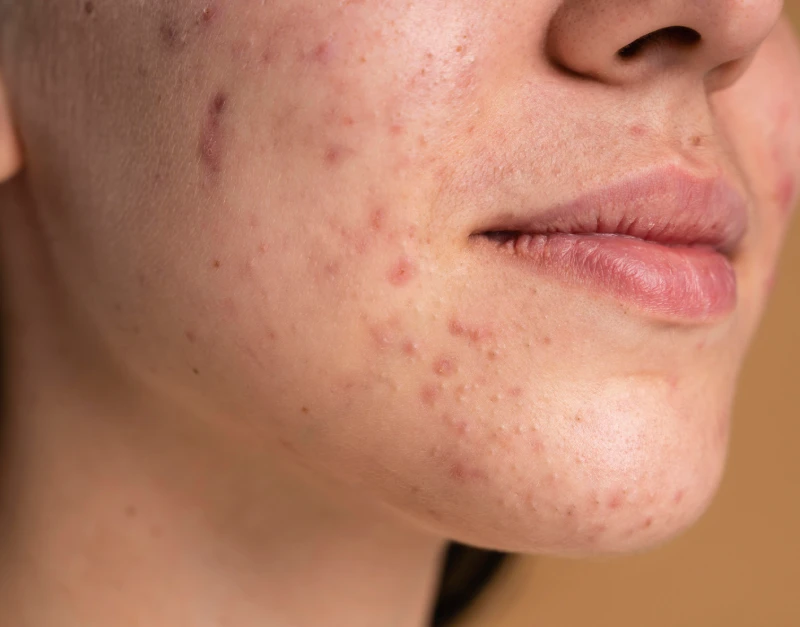
How and When Do Acne Scars Form?
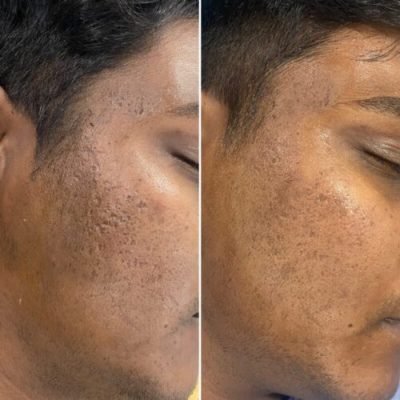
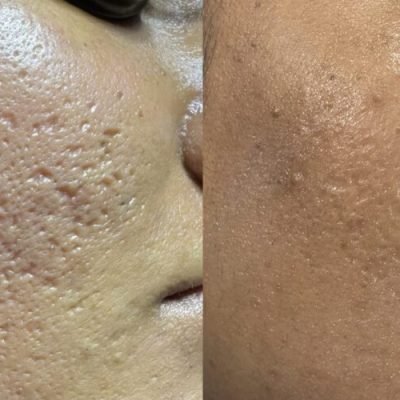
Scars form when there is damage to the dermal layer of the skin. This damage may occur from cystic acne, repeated picking of pimples, or poorly managed breakouts. The healing process may result in either collagen loss (causing atrophic or pitted scars) or excessive collagen production (causing hypertrophic or raised scars) and sometimes even keloids.
Treatment for acne scars can begin once active acne is completely under control. At Arna Dermatology, we ensure that no active lesions are present before starting scar management. Acne scar treatment can begin as early as 18 years, once hormonal fluctuations are relatively stable. This may vary depending on the patient’s skin condition and scar severity.
Types of Acne Scars
Acne scars are typically classified into three major types
Boxcar Scars
Rolling Scars
Ice Pick Scars
Treatment Options for Acne Scars
Scar treatments are customized based on the type and grade of scarring. At Arna Dermatology & Aesthetics, we use a combination of advanced technologies and supportive treatments to deliver optimal results. Each treatment plan is carefully designed to suit individual skin needs and goals.
The most common treatment options include
Microneedling Radiofrequency (MNRF)
Fractional CO2 Laser
TCA Cross
Exosomes
Dermal fillers
Subcision
Each treatment works differently and is suited for different skin types, scar grades, and age groups. Fillers or boosters are done once in 18 months and 6 months (respectively for maintenance of the results. All the other treatments are usually spaced 6 weeks apart and most patients require 4 to 6 sessions, depending on the skin’s healing capacity and collagen production.
We often combine 2 or more types of treatments in one session to maximize the results and to save time for our patients who live over seas and stay here only for a month or two.
We also complement procedural treatments with oral medications, tailored to the individual’s age, gender, hormonal profile, and reproductive considerations. In every session, we reassess skin response and offer personalized advice to enhance healing and ensure the best results.