





What is TCA cross ?
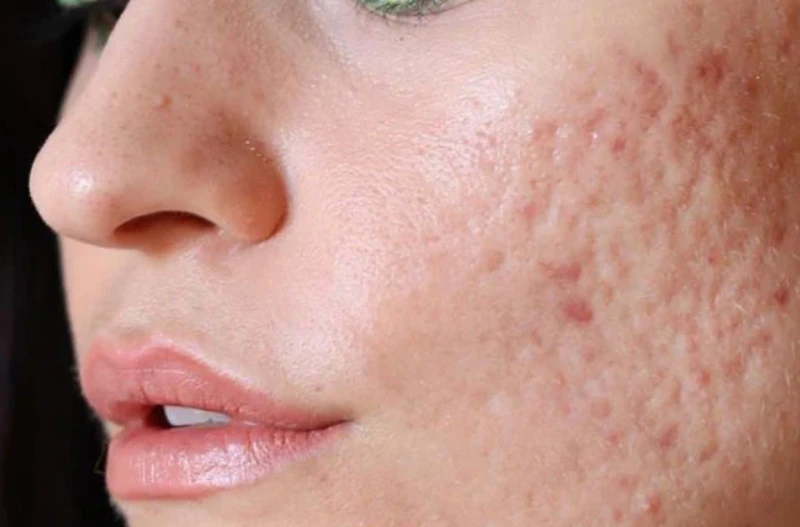
TCA CROSS is a specialized technique used to treat ice pick scars—the narrow, deep scars that are notoriously difficult to manage with lasers or microneedling. In this method, a high concentration of trichloroacetic acid (TCA) is carefully deposited into the base of each scar, stimulating collagen production from the inside out and gradually lifting the scar over multiple sessions.
Who Can Get This Treatment?
TCA CROSS is ideal for:
- Individuals with deep, narrow ice pick scars
- Patients with Grade 3 and 4 acne scarring
- Those who haven’t responded well to laser or microneedling alone
It can also be safely combined with other scar treatments like microneedling, CO2 laser, or skin boosters to improve overall results.
Downtime After the Procedure
TCA CROSS involves mild to moderate downtime, depending on the concentration of acid used and the number of scars treated:
- Mild redness and a white frosting effect immediately post-treatment
- Tiny scabs form within 24–48 hours at each treated scar site
- Crusting and peeling occur over 5–7 days, after which the skin heals
There may be slight pigmentation changes during healing, especially in deeper skin tones, but these usually resolve with time and proper care.

What Should Be the Age of the Patient?
TCA CROSS can be performed on patients aged 18 years and above, provided their acne is inactive. It’s suitable for both younger and older individuals and works best in people with moderate to severe ice pick scars where other treatments may fall short.
Pre-Care Guidelines
Avoid exfoliating agents (retinoids, acids, scrubs) for 3–5 days
Stay out of direct sun exposure for a week prior
Treat any active acne or skin infections beforehand
Disclose history of sensitivity, allergies, or pigmentation tendencies
At Arna Skin and Hair Clinic, we assess scar patterns and decide the TCA concentration and number of scars to treat in a single session to ensure maximum safety.
Post-Care Guidelines
Do not wash the face for 6–8 hours post-treatment
Allow the scabs to fall off naturally—picking can lead to pigmentation or worsening scars
Use a prescribed soothing and hydrating barrier cream to support skin healing
Avoid sun exposure, sweating, and makeup for the first 5 days
Resume sunscreen use after the scabs fall off and continue daily to prevent pigmentation
Mild peeling or dryness is normal, and results are gradual. Improvement is typically seen after 3–4 sessions, spaced 6–8 weeks apart, with continued collagen remodeling over several months.