





What is Pigmentation?
Pigmentation refers to the natural coloring of your skin caused by melanin, a pigment produced by specialized skin cells. When melanin production becomes unbalanced—either too much or too little—it leads to uneven skin tone, dark patches, or discoloration. While pigmentation is not usually harmful, it can affect confidence, appearance, and may sometimes indicate underlying skin concerns.
Types of Pigmentation
- Hyperpigmentation – Excess melanin production causes dark patches on the skin
Common forms:
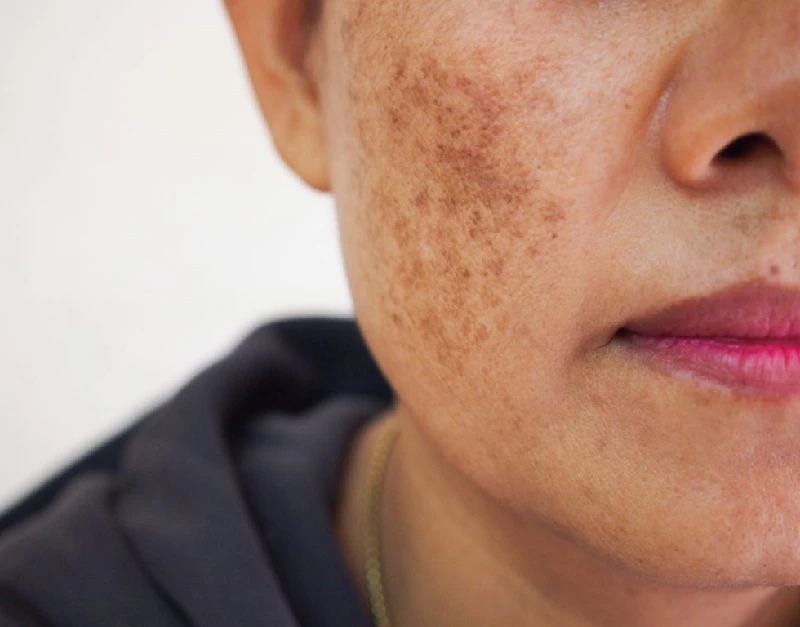
- Melasma: Brown or gray patches, often triggered by hormones, pregnancy, or sun exposur.
- Sunspots (Age spots): Flat brown spots from long-term sun damage.
- Post-Inflammatory Hyperpigmentation (PIH): Dark marks left behind after acne, cuts, burns, or skin injury.
- Hypopigmentation – Reduced melanin causes lighter patches on the skin.
Conditions like Vitiligo and Albinism fall under this category.
- Depigmentation – Complete loss of pigment in certain areas of the skin.
Symptoms of Pigmentation
- Uneven skin tone
- Dark spots, freckles, or blotchy patches
- Brown, black, or gray discoloration
- Patches appearing on face, hands, neck, or arms
- Spots becoming darker with sun exposure
Causes of Pigmentation
- Excessive sun exposure (UV radiation increases melanin production)
- Hormonal changes (pregnancy, contraceptives, thyroid imbalance)
- Skin injuries (cuts, burns, acne scars)
- Genetics & family history
- Certain medications (chemotherapy drugs, antibiotics)
- Underlying health conditions (autoimmune diseases, diabetes)
- Lifestyle factors (stress, lack of sleep, smoking)
Pre & Post Treatment Care
Before Treatment:
Avoid direct sun exposure for at least 1–2 weeks.
Discontinue strong skincare products (retinoids, acids) unless advised by your doctor.
Inform your dermatologist about any medications or health conditions.
After Treatment:
Apply prescribed soothing creams or ointments.
Use a broad-spectrum sunscreen (SPF 30+ or higher) daily.
Avoid harsh scrubbing, waxing, or chemical-based products for a few days.
Stay hydrated and follow a healthy diet for better healing.
Attend follow-up sessions as recommended.
Treatment Options for Pigmentation
Modern dermatology offers safe and effective treatments for pigmentation issues. Depending on severity, your dermatologist may recommend:
Topical Creams & Serums
Chemical Peels
Laser Treatments
Microneedling with PRP or Serums
Microdermabrasion
Oral Medications & Supplements
Why Choose Arna Clinic for Pigmentation?
Trust Arna Clinic Hyderabad for comprehensive pigmentation solutions that reveal clear, radiant skin. With expert dermatologists, advanced tools, and a patient-first approach, we make your journey to glowing skin smooth and worry-free. Book your consultation today!
FAQ’s
What is the best treatment for pigmentation?
Can pigmentation be cured permanently?
How many sessions are required to see results?
Is pigmentation treatment safe for all skin types?
Can home remedies treat pigmentation?
Will pigmentation come back after treatment?
Is pigmentation the same as tanning?
At Arna Clinic, we understand how pigmentation can impact not just your skin, but also your confidence. Our team of board-certified dermatologists combines years of expertise with USFDA-approved advanced technologies to deliver safe, effective, and personalized solutions. Whether it’s hyperpigmentation, melasma, or post-acne marks, we tailor every treatment plan to your unique skin type and concerns helping you achieve a clearer, brighter, and healthier complexion.